
Premier League clubs swap gambling sponsors for fintech money
Premier League clubs are replacing gambling shirt sponsors with fintech and sovereign-investment partners, a sponsorship shift with direct lessons for brands entering APAC and European football.
The most valuable real estate in global sport is changing hands. Reuters reports that Premier League clubs are trading gambling shirt sponsors for fintech firms and sovereign-investment partners, a quiet realignment that says as much about brand safety as it does about money. For a fintech looking to buy cultural relevance fast, the opening is real, and the clubs are motivated sellers.
Why gambling is leaving the shirt
Gambling sponsors dominated Premier League shirts through the 2010s because they paid premium rates for a young, male, high-engagement audience. That bargain has soured. UK regulators and public-health pressure have made gambling branding a reputational liability for a league that sells itself as family entertainment and global wholesome content. Clubs facing that tension are looking for categories that signal innovation rather than vice, and fintech fits the brief: modern, aspirational, and increasingly essential to the same young audience.
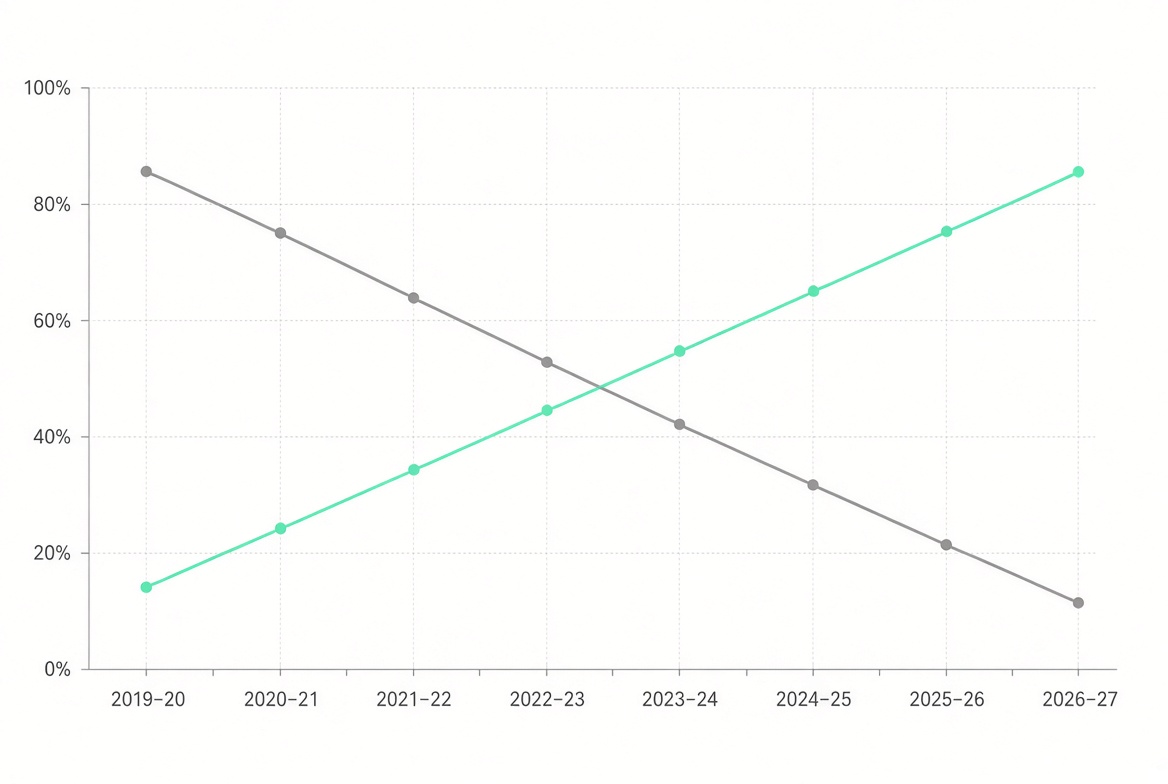
Sovereign-investment vehicles add a second buyer. Middle Eastern and Asian state funds have both the capital to outbid gambling and the strategic interest in attaching their name to premier Western cultural assets. The combination of fintech and sovereign money is displacing the betting logos that defined the previous decade. This is not a one-club quirk. Reuters frames it as a league-wide trend.
- Regulatory and brand-safety pressure on gambling branding
- Fintech signals innovation to the same young audience
- Sovereign funds bring capital and strategic intent
- The shift is league-wide, not a single club
The Southeast Asia parallel
The pattern should look familiar to operators in this region. Football clubs from Manchester to smaller European sides have long treated Asian and Middle Eastern markets as the growth frontier for both fans and sponsors. A fintech with APAC ambitions, whether payments, neobanking, or crypto-adjacent, can buy instant credibility by attaching to a club whose fanbase already spans Singapore, Jakarta, and Kuala Lumpur. The audience the gambling brands cultivated is the same audience a fintech wants, minus the baggage.

The XTB partnership with FC Porto shows the mechanics at a smaller scale: a fintech becomes the official partner of a club with a passionate, geographically dispersed following, gaining logo placement and association without the cost of a top-tier shirt. The Premier League shift is the same logic at ten times the price and ten times the reach. The clubs have proven the inventory is available. The question for fintechs is whether to chase the marquee name or the efficient one.
The audience the gambling brands cultivated is the same audience a fintech wants, minus the baggage.
What this means for operators
For a fintech weighing sponsorship, the Premier League movement is both opportunity and cautionary tale. The opportunity is real inventory at a moment of seller urgency. The caution is that shirt sponsorship is the most expensive and least targeted buy in the book. Smarter money goes to training-kit deals, regional activation rights, and club academies where the same logo appears in markets the brand actually serves, echoing the efficient XTB and FC Porto model.
Rights holders, meanwhile, should treat fintech as a category with a shelf life defined by performance, not just payment. The clubs that sign a fintech partner with a credible product will convert sponsor association into customer acquisition. Those that sign for the cheque alone will repeat the gambling cycle with a new logo. The distinguishing variable is whether the partner can deliver a product the fans actually use.
Why are clubs dropping gambling sponsors now?
Regulatory pressure and brand-safety concerns have made gambling branding a liability for a league selling family-friendly global content, while fintech offers a modern, aspirational replacement.
Is this relevant to APAC fintechs?
Yes. European clubs court Asian fanbases, so a fintech with regional ambition can buy credibility through partnership, mirroring smaller deals like XTB and FC Porto.
Sponsorship realignments like this one are rare because they hand a category a fire-sale on cultural relevance. Fintech is the beneficiary this cycle, and the clubs are the willing sellers. The brands that win will be the ones who buy the right inventory, attach a real product, and treat the logo as the start of a customer relationship rather than the end of a marketing line.
Speak with the SpinDepth desk